
“Don’t Delay Call Today”
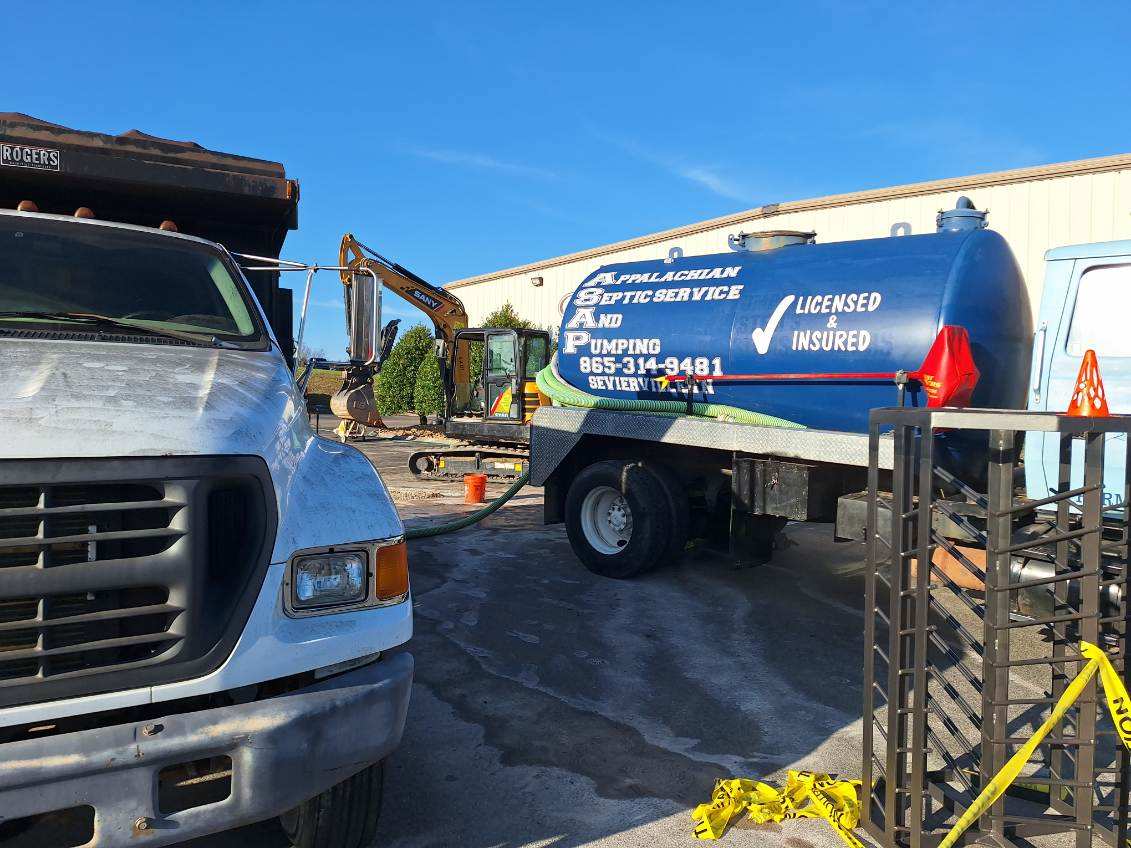
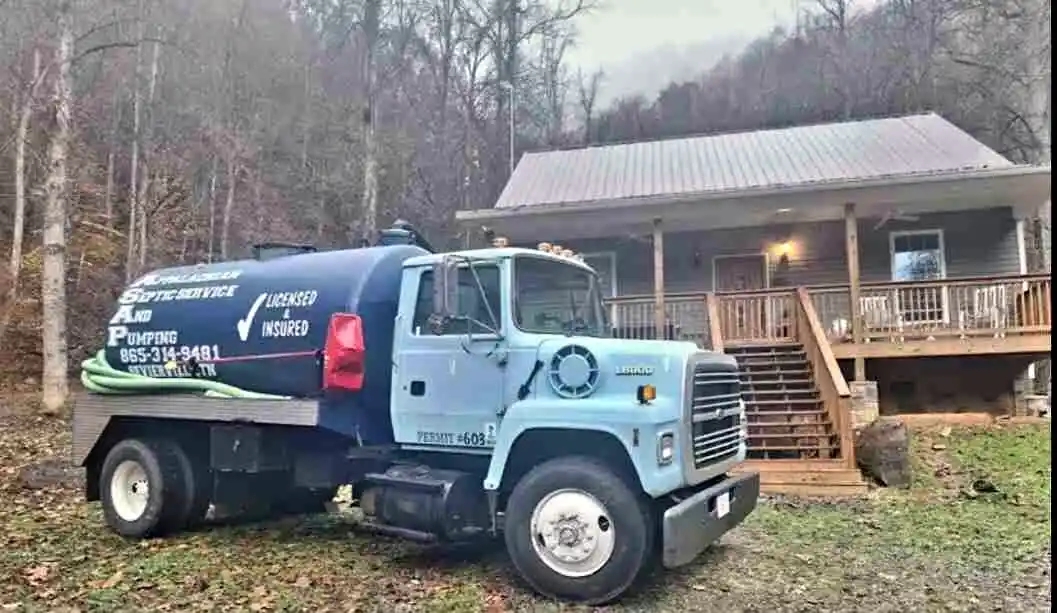
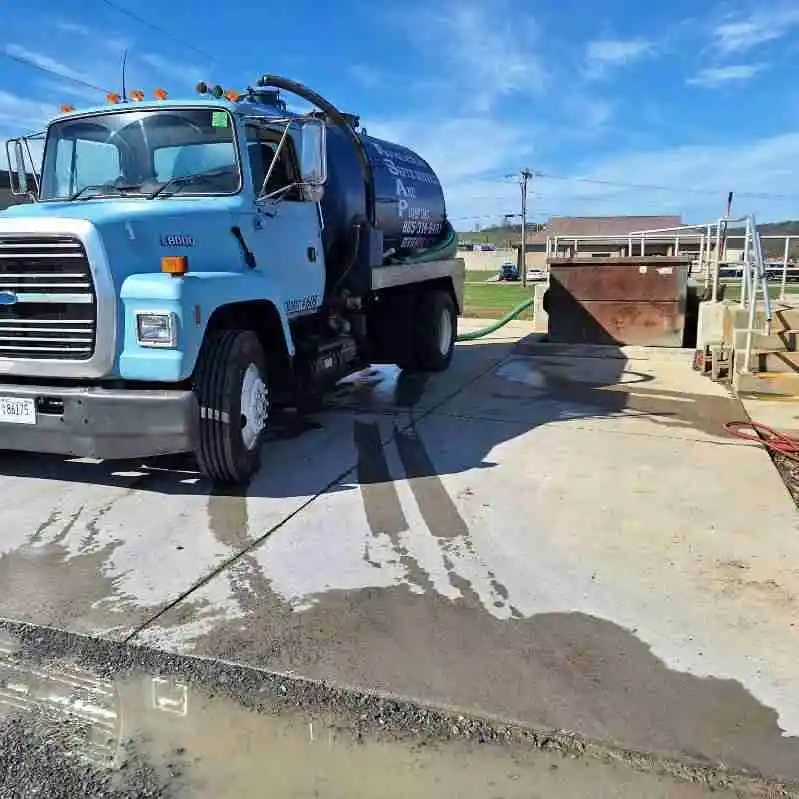
About Us
Appalachian Roots
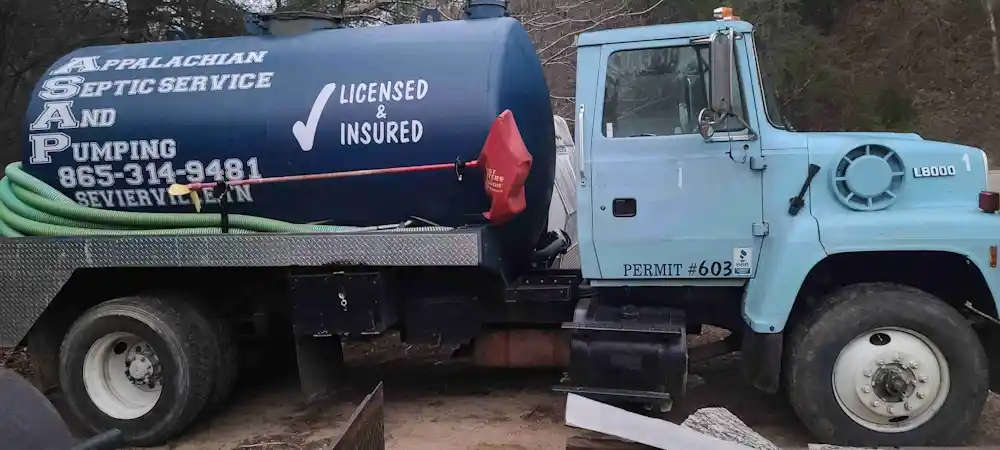
At Appalachian Septic and Pumping, we’ve been keeping homes and businesses in Sevierville clean and flowing smoothly.. Based right here in the heart of East Tennessee, our family-owned crew tackles everything from routine pump-outs to tricky repairs with grit and know-how. We get the mountains—tight backroads, steep hills, you name it—and we’ve got the right tools and trucks to handle your septic needs, rain or shine. Think of us as your local problem-solvers who show up on time, work hard, and leave your property spotless. Whether it’s a quick inspection or a full install, we’re all about honest service and treating you like neighbors, because honestly, you are.
TESTIMONIAL
Our Clients Say
Appalachian Septic did a great job for us! Very quick response and very reasonably priced for the Sevierville area.

They got to me on short notice to pump our septic tank and diagnose an issue. Will definitely use them in the future.
Helped locate the clean out as we had purchased this home recently, and weren’t exactly sure where it was located.
Appalachian Septic was wonderful to work with. I would recommend to anyone of my family & friends.
FAQS
Frequent Ask Questions
How often should I have my septic tank pumped?
Most household septic tanks should be pumped every 3 to 5 years. This depends on factors like tank size, household size, water usage, and whether you have a garbage disposal (which may require more frequent pumping). Regular inspections can help determine the exact schedule for your system.
What happens during a septic tank pumping service?
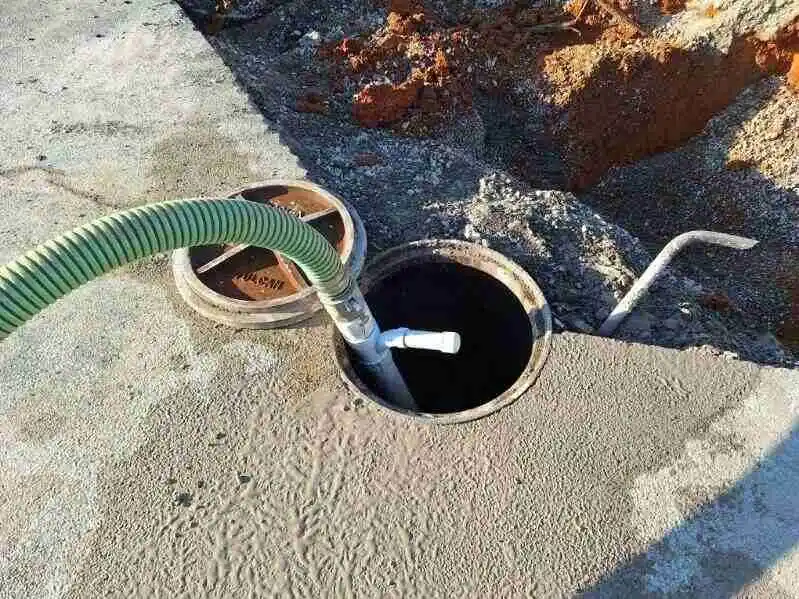
A professional locates and uncovers the tank lid, pumps out the sludge, scum, and liquid waste using a vacuum truck, inspects the tank for damage or issues (like inlet/outlet baffles), and often cleans any filters. The process typically takes 45 minutes to a few hours.
Do septic tank additives work or are they necessary?
No, additives (like bacteria or chemicals) are not needed and do not improve performance or reduce pumping frequency. Your system naturally produces the required bacteria through regular use.
Is regular maintenance really necessary if there are no problems?
Yes—preventive pumping and inspections prevent costly failures, backups, or environmental damage. Neglecting it can lead to solids entering the drain field, causing expensive repairs.
What are the signs that my septic tank needs pumping?
Common signs include slow-draining sinks or toilets, gurgling sounds in pipes, unpleasant odors around the tank or drain field, sewage backups, or wet/spongy areas in your yard over the drain field.
How much does septic tank pumping cost?
Costs vary by location, tank size, and accessibility, but typically range from $250 to $900 for a standard residential tank. Contact us for an accurate quote.
What should I not flush or put down the drain with a septic system?
Avoid flushing anything besides human waste and toilet paper. Never flush wipes (even “flushable” ones), feminine products, grease/oil, chemicals, paint, medications, coffee grounds, or paper towels, as they can clog the system or harm beneficial bacteria.
How can I maintain my septic system between pumpings?
Conserve water (fix leaks, spread out laundry loads), avoid overloading with excessive water, don’t park or build over the tank/drain field, and keep trees/shrubs away to prevent root intrusion.
How long does a septic system last with proper care?
A well-maintained septic system can last 20 to 30 years or more, depending on tank material, installation quality, and usage. Regular pumping and avoiding overloading it are key.